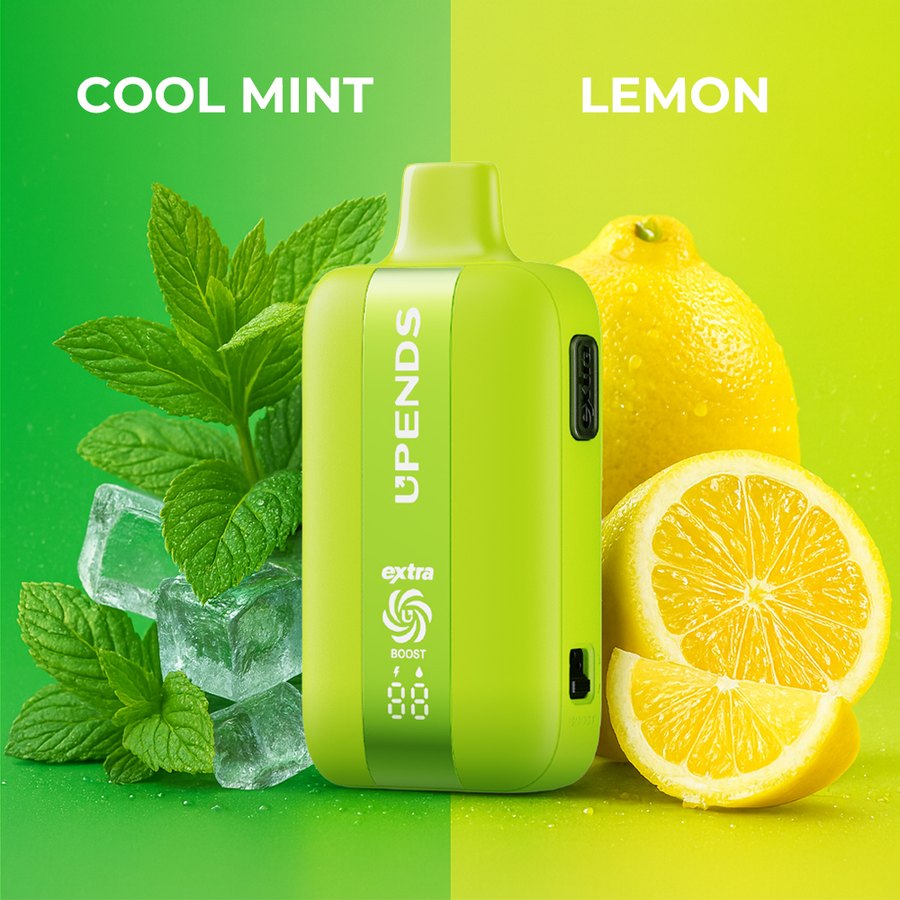
Walk any vape trade show and you will see the word “dual” on half the packaging. Dual coil, dual mesh, dual chamber, dual mouthpiece — often on the same shelf, meaning completely different things. For a distributor choosing what to stock, that ambiguity is expensive.
The problem with the word “dual”
There are genuinely four different designs hiding behind that label, and they answer different consumer questions:
- Dual coil / dual mesh — two heating elements. This is an output feature: more surface area, faster ramp-up, bigger clouds. It says nothing about flavour.
- Dual chamber — two separate e-liquid reservoirs inside one device. This is a flavour feature: two flavours, one device, no mixing.
- Dual mouthpiece — two tips, usually feeding a single shared reservoir. Sold as hygiene or sharing convenience; the flavours still blend.
- Dual flavour / multi-flavour pods — a cartridge you swap. Different use case again, and a different inventory headache for the retailer.
A device can legitimately be dual-coil and dual-chamber. But when a supplier says “dual” and means coils while your buyer assumes chambers, you get returns and chargebacks.
Why flavour carry-over happens
Early attempts at two-flavour devices fed both flavours onto the same wick, usually with a stacked-coil arrangement. The engineering problem is unavoidable: cotton that has absorbed menthol keeps tasting of menthol, and heat travels through a shared wick. The result was a device that tasted of everything and nothing — the reason the first generation of two-flavour disposables failed at retail.
A dual-chamber device avoids the problem structurally rather than through formulation. Two reservoirs, two independent wicking paths, and a mechanical valve that isolates whichever chamber is not selected. The coil only ever contacts the active chamber, so the sealed side stays chemically and thermally separate.
The practical test
Ask for a sample and switch flavours repeatedly. A real dual-chamber device clears within two to three puffs and then tastes clean. A shared-wick design keeps a ghost of the previous flavour for the rest of the device.
Side-by-side comparison
| Dual-chamber | Dual-coil / dual-mesh | Dual-mouthpiece | |
|---|---|---|---|
| What it isolates | Two reservoirs | Nothing — shared tank | Two tips, one reservoir |
| Flavour separation | Genuine | None | None |
| Carry-over on switch | 2–3 puffs | Constant blending | Constant blending |
| Main benefit | Two flavours, one device | Power, cloud, throat hit | Shared use |
| Puff count impact | None | None | None |
| Consumer story | Obvious and demonstrable | Technical, hard to show | Niche |
What it means commercially
For a distributor, the interesting part is not the engineering — it is what the engineering does to the shelf. A dual-chamber device replaces two single-flavour SKUs with one, at a price point above either. That reduces the number of device variants a retailer has to carry while raising average transaction value, and it gives the shop staff something they can physically demonstrate.
It also behaves well in markets with a capacity cap. Because the two chambers together hold the same total volume as a single-chamber device of equivalent size, puff count and battery life are unchanged — you are not trading compliance headroom for the feature.
Four questions to ask your supplier
- Is it chambers or coils? Ask for a cross-section drawing. A real dual-chamber device will show two discrete reservoirs and a valve.
- What is the chamber split? A 13 ml + 5 ml asymmetric split is normal and tells you which flavour is treated as primary.
- How many puffs to clear on switching? Two to three is normal. More than five suggests leakage between chambers.
- What leak and drop testing was done? Ask for the reports — negative-pressure leak testing, 1.2 m drop test and high-temperature storage results.
Our dual-chamber technology page covers the mechanism in more detail, and the product range lists which models are currently in volume production.